


0+
Years of experience
in this field.
Software and Website Localization
For companies expanding into Europe, ensuring that your software and website are fully localized for each target market is crucial to establishing a strong presence and creating a positive user experience. Localization goes beyond translation—it involves adapting your software or website for local languages, cultures, and preferences, ensuring that it resonates with users in each region. At VIAX Language and Legal, we specialize in software and website localization in 77 national languages, combining the power of translation technology with professional linguistic and cultural adaptation.
Whether you're launching a new product, expanding your e-commerce platform, or rolling out software for European markets, our localization services ensure that your content is both linguistically accurate and culturally relevant. Here’s how we help businesses seamlessly transition into the European market.

1. What is Localization and Why is It Important?
Localization is the process of adapting content to meet the language, cultural, and regulatory requirements of a specific region. For companies expanding into Europe, it means not only translating your software or website but also adapting it to reflect local cultural nuances, currency, date formats, and legal requirements.
The goal of localization is to make your website or software feel as though it was natively developed for each target market. This ensures that users in different regions have a positive and intuitive experience when interacting with your brand.
A. Key Aspects of Software and Website Localization
Translating your content into the target language while maintaining accuracy and fluency. This includes user interface elements, buttons, menus, error messages, and help documentation.
Adjusting content to reflect local customs, preferences, and expectations. This might include adapting imagery, colors, or symbols that have cultural significance.
Localizing currencies, measurement units, and formats (e.g., metric system) to reflect local norms.
Adapting date, time, and number formats according to the standards of each target country. For example, the format for dates in the USA (MM/DD/YYYY) differs from many European countries (DD/MM/YYYY).
Ensuring that your software or website complies with local regulations, such as data privacy laws (GDPR) in the European Union.

2. Localization for Software: Enhancing User Experience
Localization for software is about more than just translating the interface—it’s about adapting the entire user experience (UX) so that it is intuitive and user-friendly for each market. This involves translating both visible text (such as menus, buttons, and user prompts) as well as back-end elements (such as error messages and notifications).
Our process ensures that users in European markets will have a native-like experience when interacting with your software, helping to build trust and enhance user satisfaction.
At VIAX Language and Legal, we ensure that the localized software works seamlessly across all platforms and in every target language. Our software localization services focus on:
Translating and adapting the text elements that users interact with, such as buttons, menus, and dialog boxes.
Ensuring that all technical support documentation and in-app help resources are fully localized, so users can easily understand how to use your software.
Translating back-end messages and notifications to ensure clarity and ease of use for local users.
Adapting graphics, images, and color schemes to fit the cultural preferences of each target market.
3. Website Localization: Connecting with Local Audiences
For companies entering European markets, your website is often the first point of contact between your business and potential customers. Website localization ensures that your online presence is fully adapted to meet the needs of each local market. This goes beyond simple translation and involves adapting the design, content, and functionality of your website to reflect the language and cultural preferences of the target audience.
- Content translation: We translate your website’s content into the target language(s) while ensuring that the meaning and tone remain consistent with your brand voice. This includes product descriptions, landing pages, blogs, and contact forms.
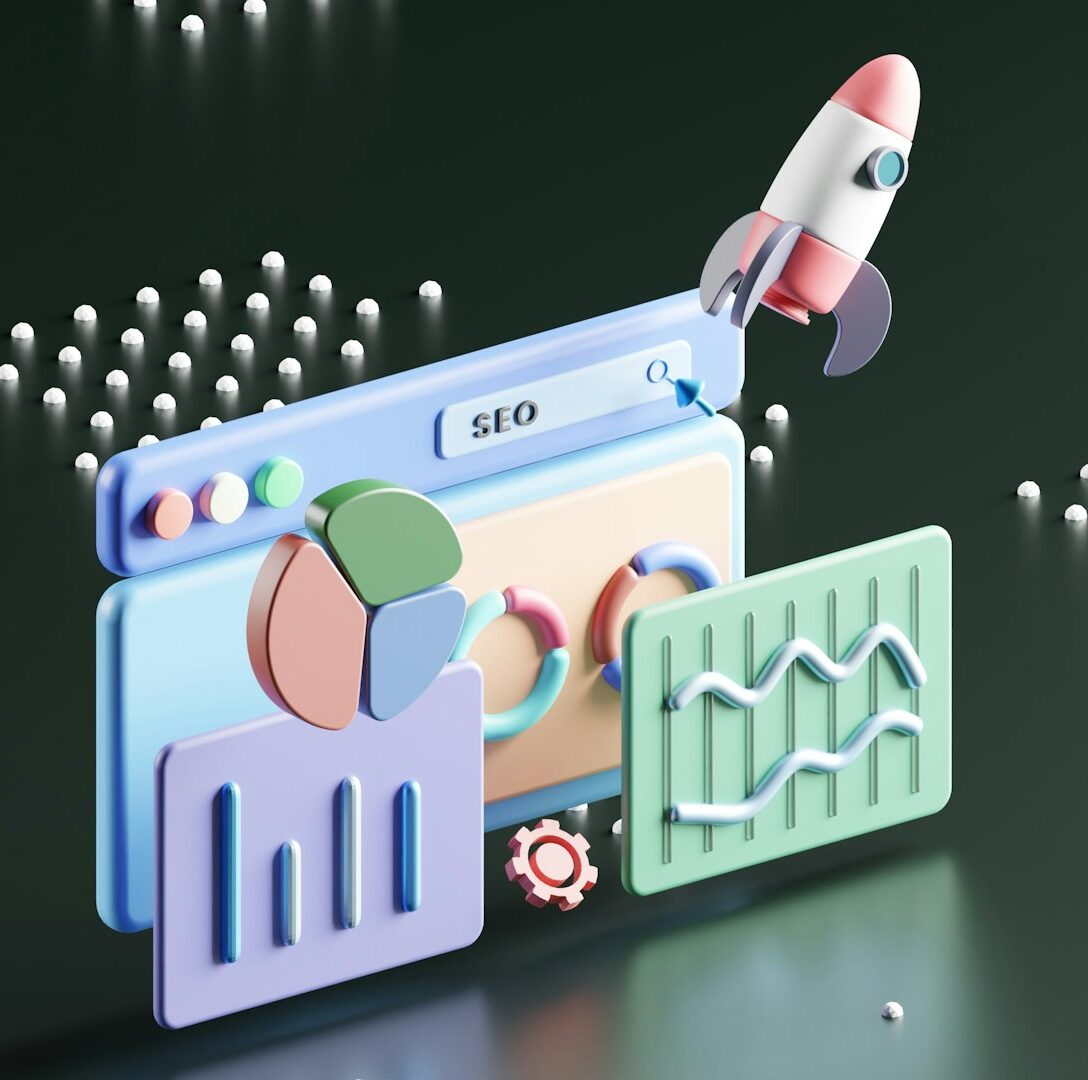
- SEO localization: We ensure that your website is optimized for local search engines by incorporating localized SEO keywords. This helps increase your visibility in European markets and drive traffic to your website.
- Design adaptation: We adapt your website’s layout and design to accommodate the text in different languages. This includes resizing buttons, adjusting the layout to fit longer text strings, and ensuring that visual elements are culturally appropriate.
- Payment methods and currency: Localizing payment gateways and currencies to ensure that users can make purchases easily. This is especially important for e-commerce websites where users expect to see prices in their local currency.
- Compliance with local regulations: Ensuring that your website complies with local laws and regulations, such as the GDPR (General Data Protection Regulation) in Europe, which governs data privacy and user consent.
Localized websites create a better user experience by making your content more relatable and accessible. When users can navigate your website in their native language, they are more likely to engage with your content, make purchases, and recommend your brand to others.
Localization also boosts conversion rates, as users are more likely to trust a company that makes the effort to communicate in their local language and adhere to their cultural preferences. By localizing your website for European markets, you increase the likelihood of converting visitors into customers.

4. Leveraging Translation and Localization Technology
At VIAX Language and Legal, we utilize the latest translation and localization technology to ensure that your software and website are accurate, consistent, and cost-effective. We use advanced tools such as translation memory and localization platforms to streamline the localization process, ensuring fast turnaround times while maintaining the highest standards of quality.
One of the key technologies we use is translation memory (TM). This tool stores previously translated content, allowing for terminology consistency across your software and website. As your business continues to expand into new regions and update content, translation memory ensures that terms and phrases are used consistently, reducing the need for repeated translations. This leads to cost savings over time and improves the overall quality of your localized content.
We also implement a combination of automated and human QA processes to ensure that your localized software and website are free from errors. Automated QA tools help detect issues such as formatting inconsistencies, missing translations, or terminology mismatches, while human reviewers ensure that the content is culturally appropriate and aligns with your brand voice.
We select the most suitable localization platforms based on the specifics of your project, ensuring that the tools we use align with your business’s needs. Whether you require cloud-based collaboration tools or integration with specific content management systems (CMS), we tailor our approach to meet the demands of your project.

5. Long-Term Benefits: Speed, Accuracy, and Savings
By integrating localization technology into our services, we offer you significant long-term benefits:
With translation memory and automated workflows, we reduce the time required for localization, enabling you to launch your software or website in European markets faster.
As your translation memory grows, the cost of future localization projects decreases, allowing you to maximize your budget and get the most out of your investment.
Our localization technology allows for seamless scalability, ensuring that as your business grows, your localization processes can keep up without compromising quality.
Why Choose VIAX Language and Legal?
At VIAX Language and Legal, we understand the unique challenges that businesses face when entering the European market. With our expertise in software and website localization, combined with advanced localization technology and professional linguistic services, we help businesses localize their digital presence across 77 national languages.
Our commitment to terminology consistency, cultural relevance, and regulatory compliance ensures that your software and website not only work seamlessly but also connect meaningfully with local audiences. By choosing VIAX, you can confidently expand your business into new markets, knowing that your brand and content will be perfectly adapted to meet the needs of users in each country.
As businesses expand into Europe, software and website localization becomes a critical component of ensuring successful market entry. At VIAX Language and Legal, we specialize in providing comprehensive localization services in 77 national languages, leveraging the latest localization technology to ensure fast, accurate, and culturally relevant results.
From adapting user interfaces to localizing payment systems and ensuring compliance with local regulations, our services are designed to help your business thrive in the European market. Contact us today to learn how we can support your software and website localization needs.
We help businesses establish criteria for identifying high-risk clients based on factors like the client’s background, business activities, and geographic location.
For high-risk clients, we assist in implementing enhanced verification procedures, such as obtaining additional documentation, verifying the source of funds, and conducting ongoing monitoring of client activity.
If suspicious activity is identified during due diligence, businesses must report this to the appropriate authorities. We ensure that your company is equipped to meet its reporting obligations and minimize exposure to financial crime risks.